Washington windstorms can leave damage that isn’t visible from the ground. Shingles that look intact from the street may still have lifted edges, creases, or other issues. A professional roof inspection service after severe weather can identify visible and hidden signs of damage. Addressing issues early can help reduce the risk of water intrusion and more extensive repairs later.
What Does a Roof Inspector Look for After a Storm?
A post-storm roof inspection typically checks for missing, torn, lifted, or creased shingles, damaged flashing and vents, deteriorated pipe boots, and signs of water damage or soft decking. The inspector’s approach depends on the roof type, storm damage, and safe access.
The Post-Storm Roof Assessment Steps
Professional inspectors look for damage that homeowners may miss from the ground. They assess the roof’s condition, document findings, and recommend repairs based on what they find.
1. Shingle Surface Damage
Wind and hail can affect asphalt shingles in different ways. Inspectors check roof edges, ridges, and slopes for missing, torn, lifted, or creased tabs. A crease can indicate wind uplift and may weaken the shingle or its seal, so the inspector assesses whether replacement is needed.
Inspectors also look for granule loss. Granules protect the asphalt from weathering, but they can wear off over time. Concentrated loss, bare spots, or a sudden increase after a storm may warrant closer evaluation.
2. Metal Flashing and Vent Inspection
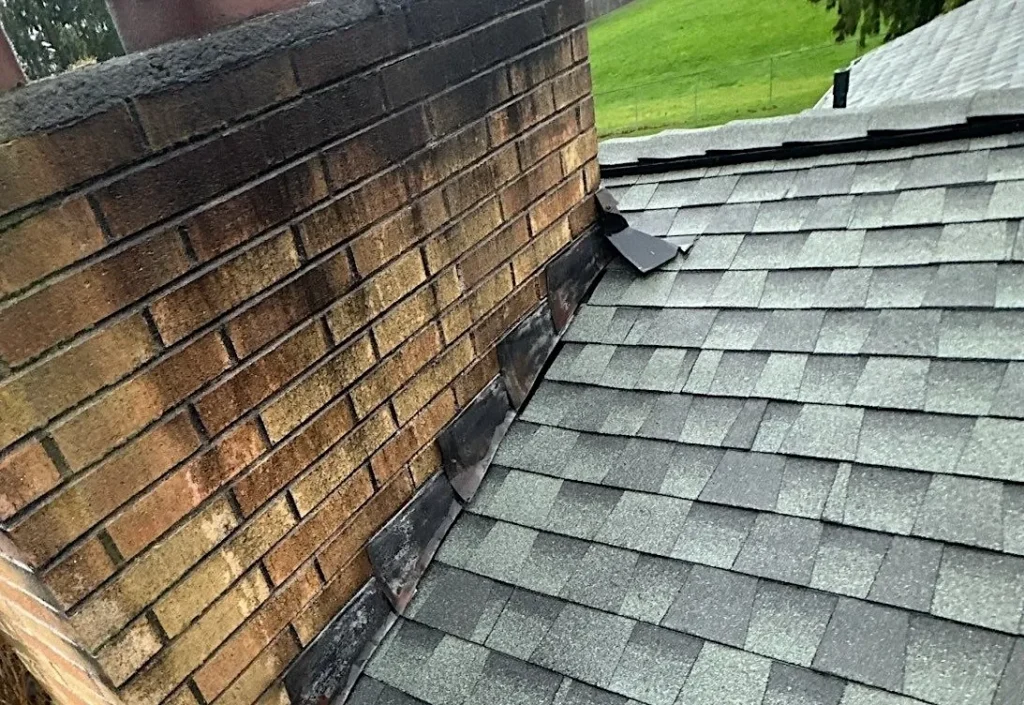
Roof valleys concentrate runoff from adjoining roof planes. Properly installed flashing directs that water toward the drainage system rather than letting it collect at vulnerable joints. Inspectors check valley flashing, chimney flashing, skylight flashing, and other metal components for dents, corrosion, lifting, or separation.
They also inspect ridge vents and other roof vents. Impact damage, loose fasteners, or gaps around vents can create potential entry points for water. The inspector assesses their condition and recommends repairs as needed.
3. Pipe Boot Seals
Plumbing vent pipes pass through many roofs and are sealed with pipe boots or similar flashing. These components can crack, lift, or separate over time, especially with age or weather exposure. Wind-driven rain can enter around a damaged boot and travel along the pipe or into the roof assembly.
Inspectors check pipe boots for cracking, tearing, dryness, gaps, and loose fasteners. A damaged boot may be a relatively small repair, but it can help prevent water from entering the roof system.
4. Decking Soft Spots
A trained inspector may check the deck’s condition where it is safe to do so, including from the attic when accessible. Soft, spongy, or sagging decking can indicate moisture damage or deterioration, but it does not always mean water is actively entering the attic.
If the inspection finds damaged decking, the roofer determines the appropriate scope of repair. That may involve replacing affected decking, repairing the moisture source, and drying or replacing affected insulation as needed. Addressing moisture promptly helps reduce the risk of mold growth.
Why You Should Never Wait for a Visible Leak
A ceiling drip is an obvious sign of water intrusion, but it’s not the first sign. Water can travel along the roof deck, framing, insulation, or drywall before it becomes visible below. That is why an inspection after a major storm can be worthwhile.
Moisture that remains in building materials can affect insulation and framing and, if not addressed, may contribute to mold growth. A post-storm inspection can identify issues such as a damaged pipe boot or lifted shingles before they lead to larger repairs. The inspector can document the findings, explain the recommended repairs, and help you schedule work before conditions worsen.
Related Articles:
- 6 Key Points Roof Inspection Technicians Check Before Winter
- Spot Weak Points in Your Roof With Kent Inspection Services
Schedule Your Post-Storm Roof Inspection Service
Do not assume your roof survived a storm just because it looks fine from the street. You need a trained eye to verify your building envelope is completely secure. Catching minor wind damage today keeps your repair costs incredibly low.
Fields Roof Service provides thorough post-storm assessments. We document every inch of damage and give you clear, factual answers about your property.
Schedule your roof inspection service and keep your home safe this rainy season. Contact Fields Roof Service today.