
March is the ideal time to evaluate your Tacoma building and plan for roof upgrades. As you explore your options, a common question often comes up: which flat roof is best in Tacoma, TPO or Modified Bitumen? Both are popular commercial choices, but each offers unique benefits based on your specific needs, budget, and long-term maintenance plans.
If you are looking for TPO roofing contractors to help with your project, it helps to understand how these materials compare. Learn the differences to help you make an informed choice for your property.
Understanding Common Flat Roofing Materials
Flat and low-slope commercial roofs require specialized materials designed to resist moisture and support proper drainage. Two of the most common systems used in the Tacoma area are TPO roofing and Modified Bitumen roofing.
What Is TPO Roofing?
TPO stands for thermoplastic polyolefin. It is a single-ply roofing membrane commonly installed on commercial flat roofs.
TPO roofing systems are known for:
- Heat-welded seams that create strong waterproof bonds
- Light-colored surfaces that reflect sunlight
- Flexible membrane material that adapts to temperature changes
Many TPO roofing contractors recommend this material for newer commercial buildings because it provides a balance of durability and energy efficiency.
What Is Modified Bitumen Roofing?
Modified Bitumen roofing is an asphalt-based system strengthened with fiberglass or polyester reinforcement. It is applied in layered sheets to form a durable, watertight barrier.
Common features of Modified Bitumen roofing include:
- Multi-layer construction for added strength
- Strong resistance to foot traffic
- Reliable waterproof protection
This roofing type has been used for many years on commercial buildings and remains a trusted option for certain property types.
TPO vs. Modified Bitumen Comparison
The table below highlights key differences between these two roofing systems. This quick comparison helps property owners understand which option may better fit their building.
| Material | Lifespan | Best For |
| TPO Roofing | Often 20 to 30 years with proper maintenance | Energy-efficient commercial buildings and modern flat roof systems |
| Modified Bitumen | Often 20 to 30 years, depending on installation quality and upkeep | Buildings with frequent rooftop traffic or heavy equipment |
Both systems can perform well when installed by experienced professionals. Property managers often consult TPO roofing contractors when comparing installation methods and long-term performance.
Factors That Affect Roof Performance in Tacoma
Tacoma’s Pacific Northwest climate creates unique challenges for flat roofs, making material selection critical for long-term performance.
Moisture & Rainfall
Steady year-round rain demands exceptional waterproofing and drainage. Both TPO and Modified Bitumen excel in wet conditions, though TPO’s heat-welded seams offer an added layer of leak resistance.
Temperature Fluctuations
Seasonal weather changes cause roofs to constantly expand and contract. Both TPO and Modified Bitumen accommodate these shifts effectively through flexible membranes and reinforced layers, minimizing seam stress with proper installation.
Rooftop Traffic
Commercial roofs housing HVAC units endure frequent maintenance and foot traffic. Both TPO and Modified Bitumen resist wear effectively in these areas, with reinforced Modified Bitumen options providing added puncture resistance for heavy loads.
How Roofing Contractors Evaluate the Best Option
Roofing professionals evaluate several factors before recommending a roofing system. This evaluation ensures the chosen material matches the building’s needs.
Building Structure
Roof slope, insulation design, and structural support influence which roofing system performs best.
Long-Term Maintenance Plans
Some buildings benefit from roofing systems that allow easier inspections and repairs. Maintenance planning plays a role in choosing the right roofing material.
Energy Efficiency Goals
Reflective roofing materials can help reduce heat absorption. Many commercial buildings choose TPO roofing because its light-colored surface reflects sunlight and supports energy efficiency.
When evaluating these factors, property owners often consult TPO roofing contractors who understand the advantages of modern single-ply roofing systems.
The Importance of Professional Installation
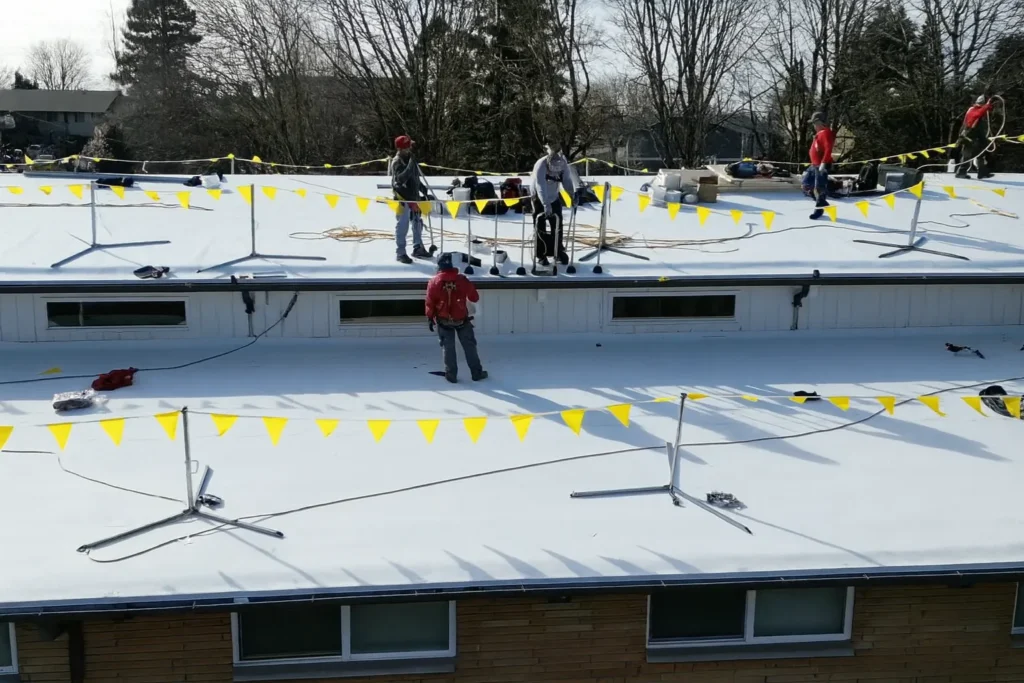
Even the best roofing material requires proper installation to perform well. Flat roof systems rely on careful seam sealing, drainage planning, and structural compatibility.
Professional roofing contractors inspect the building, review roofing conditions, and recommend the most appropriate system. These inspections help confirm whether TPO roofing or Modified Bitumen better fits the structure.
Related Articles:
- TPO Commercial Roofing: Why It Is a Great Choice for Seattle Buildings
- Reliable Roofing for Seattle: Why Choose Modified Bitumen Systems
Expert Guidance for Your Tacoma Commercial Roof Investment
Choosing the right commercial roof requires more than a material comparison. It demands a balance of climate resilience, building design, and long-term maintenance. For property managers seeking TPO roofing contractors who prioritize durability and energy efficiency, identifying a reliable, waterproof solution is the top priority.
Fields Roof Service helps Tacoma businesses evaluate flat roof conditions to recommend the most effective systems. Specializing in both TPO and Modified Bitumen, our team provides expert installation and ongoing service that focuses on your property’s needs.
Get in touch with us to book an inspection and and start planning your roof replacement project move forward with your roof replacement plans.