
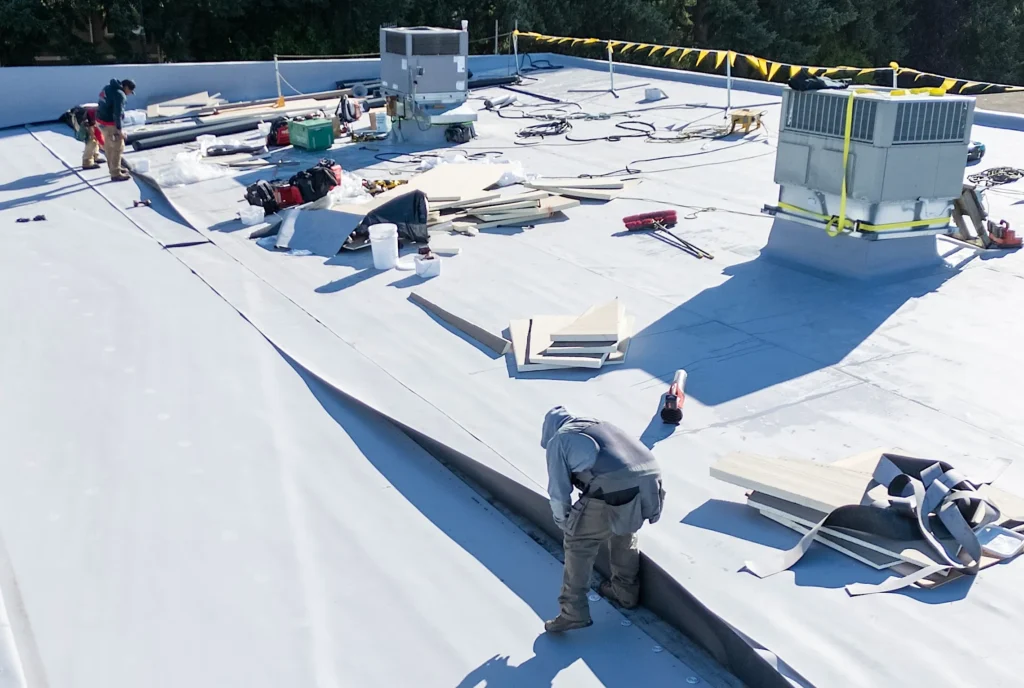
Choosing the right roofing system is a major decision for any building owner. In Seattle, constant rain, cool temperatures, and seasonal weather shifts place extra demands on commercial roofs.
For many property owners, TPO roof replacement has become a practical solution that balances durability, efficiency, and long-term value. Understanding how TPO works and why it performs well in this climate can help you decide if it is the right fit for your building.
What Is TPO Roofing?
TPO stands for thermoplastic polyolefin. Commonly used for flat or low-slope commercial buildings, this single-ply membrane is typically light-colored and installed in wide sheets fused together at the seams.
TPO roofing is known for being flexible, strong, and resistant to moisture. These qualities make it a popular choice for warehouses, offices, retail buildings, and medical facilities throughout the Pacific Northwest.
Why TPO Works Well in Seattle’s Climate
Seattle’s weather creates specific challenges for commercial roofs. Frequent rain, overcast skies, and occasional temperature swings can wear down roofing materials over time.
Strong Resistance to Moisture
Moisture is one of the biggest concerns for flat roofs. TPO membranes are designed to resist water absorption and help prevent leaks. Heat-welded seams create a tight seal that reduces the risk of water entering the roof system.
For buildings dealing with recurring ponding water or drainage issues, a TPO roof replacement can provide improved protection compared to older roofing materials.
Flexibility During Temperature Changes
Although Seattle is known for mild temperatures, roofs still expand and contract throughout the year. TPO remains flexible in both cool and warm conditions, which helps reduce cracking and splitting over time.
This flexibility supports long-term performance and helps the roof adapt to seasonal changes without losing its integrity.
Energy Efficiency Benefits of TPO Roofing
Energy efficiency is a major reason many building owners consider TPO.
Reflective Surface
Most TPO membranes are light-colored and reflective. This helps reduce heat absorption during warmer months. While Seattle is not known for extreme heat, summer temperatures can still cause buildings to warm up.
A reflective roof can help stabilize indoor temperatures and reduce strain on cooling systems. Over time, this can support lower energy usage.
Support for Modern Insulation Systems
TPO roofing systems often work well with updated insulation materials. During a TPO roof replacement, insulation can be upgraded to improve overall building efficiency and comfort.
Durability and Lifespan
Commercial roofs must handle foot traffic, equipment, and environmental exposure. TPO is engineered to be durable without adding unnecessary weight to the structure. Its membranes resist damage from ultraviolet exposure, mold growth, and chemical pollutants. These features help extend the usable life of the roof and reduce maintenance concerns.
When installed correctly, TPO can provide reliable protection for many years, making it a smart investment for long-term building planning.
Installation and Maintenance Considerations
Understanding the installation process helps set realistic expectations.
Efficient Installation Process
TPO roofing is installed in large sheets, which can reduce installation time compared to some traditional systems. Seams are heat-welded, creating a uniform surface across the roof.
A professional installation ensures proper attachment, secure seams, and correct drainage design. These steps are critical for maximizing performance.
Ongoing Maintenance Needs
Like all commercial roofs, TPO requires periodic inspections. Regular checks help spot minor problems before they turn into leaks or damage the membrane.
Routine maintenance may include clearing debris, checking seams, and ensuring drains remain open. With consistent care, a TPO roof replacement can deliver dependable performance year after year.
Cost Considerations for TPO Roof Replacement
Budget is always part of the decision-making process.
Competitive Material Costs
TPO is often more affordable than some other commercial roofing options. It offers a balance between upfront cost and long-term value.
Lower material costs, combined with efficient installation, can make TPO an appealing choice for building owners managing large roof areas.
Long-Term Value
While initial cost matters, long-term performance matters more. Energy efficiency, durability, and reduced repair needs contribute to the overall value of a TPO system.
For many Seattle properties, investing in a TPO roof replacement helps prevent frequent repairs and unexpected downtime caused by roof failures.
Is TPO Right for Every Commercial Building?
TPO works well for many flat and low-slope roofs, but it is not a one-size-fits-all solution.
Building size, roof design, drainage layout, and usage all influence whether TPO is the best option. A thorough inspection helps determine if the structure and existing roof system are suitable for this type of membrane.
Professional roofing services typically include inspections and evaluations that assess these factors before recommending materials.
Related Articles:
- Seattle Commercial Roof Replacement Options for Winter
- Seattle Commercial Roofing: Winter Challenges & Solutions
Move Forward With Confidence
Choosing TPO for a Seattle commercial building can offer reliable moisture protection, energy efficiency, and long-term value. Its performance in wet climates and compatibility with modern insulation make it a strong option for flat and low-slope roofs.
Fields Roof Service provides commercial roofing inspections and TPO roof replacement services designed to support building performance and long-term protection. Reach out today to schedule an evaluation and explore whether TPO is the right solution for your property.