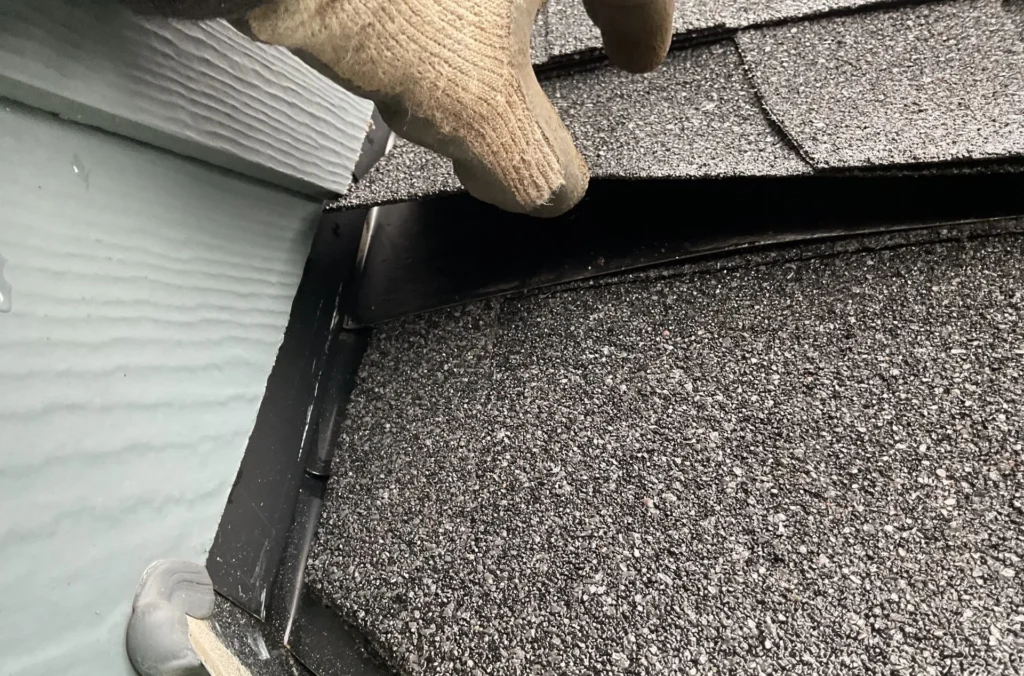
Winter in Kent brings freezing temperatures, wind, and plenty of moisture. You might look up at your home on a frosty morning and notice something strange. Your roof shingles, which used to lie flat, now look lifted. This can be alarming for any homeowner. Lifted shingles leave your home open to leaks and water damage.
Understanding why this happens is the first step to protecting your home. Cold weather changes how roofing materials behave. If you see these signs, you likely need a professional Kent roof repair service to secure your roof before the next heavy rain.
How Winter Weather Causes Shingles to Lift
Winter creates conditions that challenge how shingles stay secured to the roof. Cold temperatures, wind, and moisture all play a role.
Cold Temperatures Affect Shingle Seals
Asphalt shingles rely on adhesive strips to bond to the shingle below. In cold weather, these adhesive strips can become stiff and lose grip. Shingles installed in cooler temperatures often seal less fully without hand-sealing, making them more likely to lift when exposed to winter winds.
Wind Pressure Loosens Unsealed Shingles
Winter storms often bring strong gusts. When shingles are not properly sealed, wind can get underneath and pull them upward. Over time, repeated wind exposure can cause shingles to lift permanently or break free entirely.
Fastener Issues Become More Noticeable
Nails that were placed too high, driven at an angle, or spaced incorrectly may hold during mild weather but fail during winter. Cold temperatures reduce material flexibility, making it easier for fasteners to loosen and shingles to lift.
Common Causes of Shingle Lifting in Kent Homes
Several factors increase the chance of lifting shingles during winter.
Aging Roofing Materials
Older shingles lose their ability to stay flexible and maintain a strong seal. As shingles age, adhesive strips weaken, and fasteners hold less securely. Winter conditions often expose these weaknesses.
Poor Attic Ventilation
Poor attic ventilation leads to heat/moisture buildup that damages the roof deck and loosens its fasteners. Warm attic air rises and hits cold roof surfaces outdoors, forming condensation. This trapped moisture weakens roofing components overall and increases the risk of lifting shingles.
Previous Installation Problems
Shingle lifting is often tied to installation quality. Incorrect nailing patterns, skipped underlayment, or rushed installation can leave shingles vulnerable. A thorough inspection by a Kent roof repair service helps identify whether these issues are present.
Why Lifted Shingles Should Be Addressed Quickly
Lifted shingles expose the roof to direct weather contact. Delaying repairs increases the risk of more serious damage.
Water Intrusion Risk
Once shingles lift, water can reach the underlayment and roof decking. Moisture may spread before it becomes visible inside the home, increasing the repair scope.
Structural and Interior Damage
Prolonged moisture exposure can weaken roof decking and framing. Insulation can become damp, reducing its effectiveness and increasing heating costs.
Reduced Wind Resistance
Lifted shingles are more likely to tear off during storms. Missing shingles create open areas where wind and rain can cause further damage.
Why You Should Not Fix It Yourself
It might be tempting to climb up a ladder and try to glue a shingle back down. This is dangerous and often causes more harm.
Falls from ladders pose the greatest risk on slippery, icy roofs. Foot traffic can also crack cold-stiffened shingles underfoot. You might fix one problem, but create three new ones. Using the wrong caulk or glue can trap moisture inside the shingle layers, accelerating rot.
A professional Kent roof repair service knows exactly which materials work in cold weather. They can identify if the lifting is due to a failed seal, a nail pop, or old age.
How Kent Roof Repair Service Addresses Lifted Shingles
Effective repair depends on identifying the cause of the lifting.
Securing Loose Shingles
If shingles are still in good condition, they may be resecured to restore proper sealing and wind resistance.
Replacing Damaged Sections
Shingles that are cracked, torn, or no longer seal properly are replaced to maintain roof integrity.
Improving Ventilation and Moisture Control
Ventilation adjustments may be recommended to reduce attic moisture and heat buildup that contribute to shingle lifting.
A professional Kent roof repair service evaluates the entire roofing system to ensure repairs support long-term performance.
Related Articles:
- Everett Roofing Guide: Why Shingles Cup & How to Fix It
- Identifying Winter Roof Damage on Kent Residential Homes
Reliable Help for Winter Roof Problems
Shingles lifting during winter indicate your roof needs attention. Fields Roof Service provides inspections, repairs, and maintenance for Kent homeowners dealing with winter-related roof concerns.
If you notice shingles lifting or signs of roof damage, schedule an inspection with Fields Roof Service. Prompt Kent roof repair service helps protect your home, limit moisture exposure, and keep your roof secure through winter weather.