
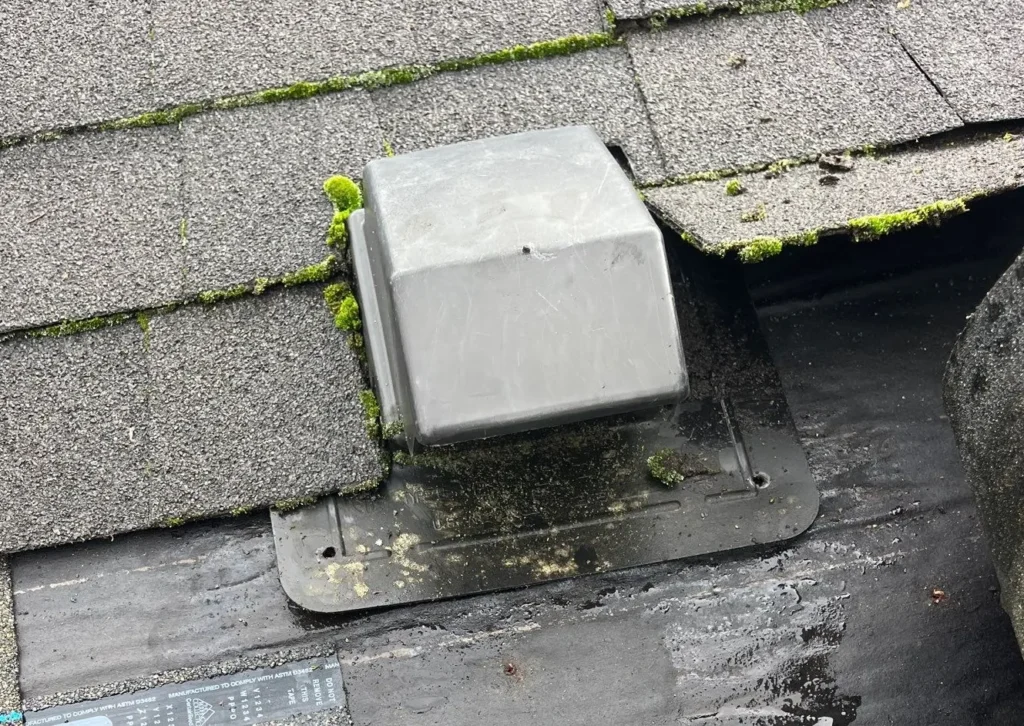
Pacific Northwest winters bring heavy rain, wind, and freezing temperatures that test every roof transition. Most homeowners check the shingles, but many leaks begin where shingles meet chimneys, skylights, and plumbing vents. Metal flashing carries water across those vulnerable joints and directs it down the roof slope. When laps separate, or sealants fail, water can reach the roof deck.
Scheduling a dependable Puyallup roof repair before freezing weather arrives restores those barriers and helps prevent moisture from damaging the attic framing.
Why Does Roof Flashing Leak During Heavy Rain and Snow?
Roof flashing leaks when movement, corrosion, aging sealant, or poor lapping opens the joints around roof penetrations. Wind-driven rain, melting snow, and ice buildup can then bypass the shingles and reach the roof deck. Because these details depend on precise overlap and safe access, professional repair is usually the most reliable way to restore them against Puyallup’s wet winter conditions.
3 Flashing Failure Points in Puyallup Roof Repair
Sheet-metal flashing seals the transitions where shingles meet vertical surfaces or penetrations. Repeated temperature changes, building movement, and weather exposure can loosen laps and degrade sealant joints.
A standard roof inspection targets three primary failure points:
1. Chimney Saddles and Mortar Joints
Brick chimneys rely on layered metal: step flashing woven with the shingles and counter-flashing that overlaps it from the masonry side. Freeze-thaw cycles, mortar deterioration, and movement between the chimney and roof structure can open those joints. When the counter-flashing loosens, or its sealant joint fails, water running down the brick face can slip behind the base flashing and reach the roof deck. Wide chimneys may also need a cricket to divert water around the uphill side.
2. Skylight Curbs and Aprons
A curb-mounted skylight creates a major interruption in the roof plane. Its curb should be protected by an apron at the downhill edge, step flashing along the sides, and head flashing at the top. UV exposure ages gaskets and sealants, while seasonal expansion and contraction can loosen fasteners and laps. When wind-driven rain or melting snow reaches a failed head flashing or side joint, water can work beneath the skylight assembly and into the roof deck.
3. Plumbing Vent Boots
Plumbing vents exhaust household sewer gases through the roof. A vent boot seals the gap around the pipe with a flexible collar and a flat base flange. Constant sun exposure gradually hardens the rubber until it cracks and loses flexibility. Once that collar splits, rain can run along the pipe and reach the roof deck, eventually causing attic moisture or a ceiling stain below.
Durable Flashing Solutions for Winter Weather
Durable leak repairs rely primarily on mechanical overlap, with compatible sealant used to reinforce the laps. Flashing works by layering materials so gravity moves water down and out over each successive course. A proper repair often requires removing nearby shingles and rebuilding the flashing sequence from the deck up.
A proper repair addresses each vulnerable seam with layered protection:
- Chimney Counter-Flashing: Rather than caulking over a failed joint, a roofer cuts a reglet into the mortar joint, sets new counter-flashing into that groove, and seals or repoints it as appropriate. The counter-flashing must overlap the base flashing so water sheds down the masonry and back onto the roof surface.
- Skylight Flashing: The surrounding shingles are removed as needed, and the curb is protected with self-adhering membrane. The installer then rebuilds the sequence with an apron at the bottom, step flashing along the sides, and head flashing at the top, keeping each piece lapped shingle-fashion so runoff stays on the outside of the assembly.
- Plumbing Vent Boots: When a neoprene collar splits, the entire boot is replaced. The new base flange is integrated into the roofing courses, tucked beneath the shingles above and overlapping the shingles below, so runoff remains on top of the roof surface.
Related Articles:
- How Do You Prepare a Roof for Fall Rain? Roof Service Tips
- Stop Early Autumn Flashing Leaks With Kent Roof Repair Pros
Seal Your Building Envelope With Fields Roof Service
Catching wear around vents, chimneys, and skylights before winter keeps repairs quick and affordable. Replacing a split pipe boot or resealing loose flashing now protects your attic decking before freezing weather sets in.
Fields Roof Service installs layered metal flashing built for heavy Pacific Northwest rain. We replace damaged metal and weave new materials directly into the shingle courses so water sheds naturally.
Secure your roof before winter storms arrive. Call us today to book your Puyallup roof repair.