Storms in Everett can pass quickly, but the damage they leave behind is not always obvious. Heavy rain, strong winds, and falling debris can weaken roofing materials without leaving clear signs from the ground. Knowing how to spot hidden problems early can help homeowners avoid leaks, interior damage, and costly repairs. Acting quickly also makes storm damage roof repair more effective and less disruptive.
Below are the most common hidden signs of roof damage and why paying attention after a storm matters.
Why Storm Damage Is Not Always Easy to See
Not all roof damage looks dramatic. Missing shingles and fallen branches are easy to notice, but many issues develop quietly. Wind can lift shingles just enough to break their seal. Rain can slip under roofing layers without leaving stains right away. Over time, small problems grow and lead to sudden leaks.
This is why regular checks after storms are an important part of protecting your home.
Subtle Roof Changes That Signal Damage
Shingles That Look Out of Place
Shingles do not need to be missing to be damaged. Look for shingles that appear lifted, curled, cracked, or uneven. Even slight movement can allow water to enter during the next storm. Granules collecting in gutters or near downspouts also point to shingle wear caused by wind and rain.
These early signs often lead to the need for storm damage roof repair if left unaddressed.
Flashing Issues Around Roof Features
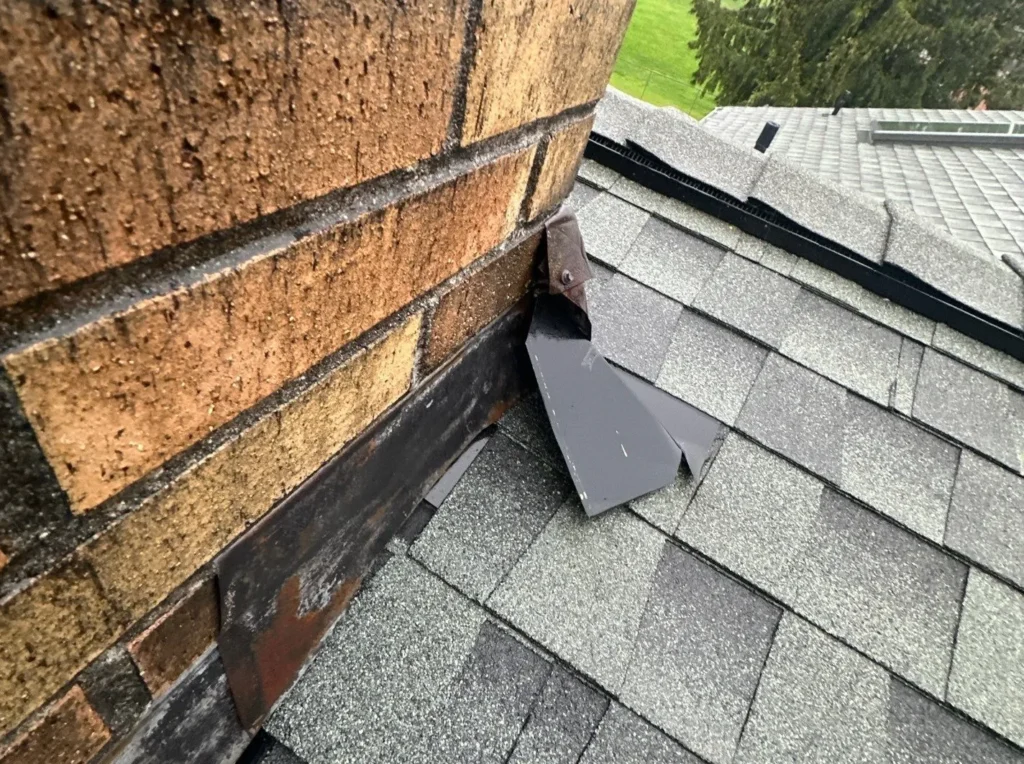
Flashing seals the areas around chimneys, vents, and skylights. Storms can loosen or bend this metal, creating small gaps. Because flashing damage is hard to spot from the ground, leaks often appear weeks later. Rust, separation, or visible bending are warning signs that water may already be getting in.
Interior Clues Many Homeowners Miss
Stains and Discoloration
Ceilings or walls may show water stains well after a storm has ended. Yellow or brown marks usually mean moisture has traveled through insulation and drywall. Even small stains can point to ongoing water entry from above.
Musty Odors and Damp Areas
A damp smell in the attic or upper rooms may signal trapped moisture. Mold can begin growing before visible damage shows up. Checking attic spaces after storms can reveal wet insulation or darkened wood, both signs that repairs may be needed.
Gutter and Drainage Warning Signs
Clogged or Bent Gutters
Storm debris can clog gutters and force water to back up under the roof edges. Wind can also pull gutters away from the fascia, changing how water drains. Overflowing gutters increase the risk of roof edge rot and interior leaks.
Granule Buildup
Asphalt shingles shed granules when damaged. Finding excessive granules in gutters after a storm is a strong indicator that shingles took a hit and may no longer protect the roof surface.
How Wind and Rain Create Delayed Leaks
Everett storms often combine steady rain with gusty winds. Wind pushes water into areas it would not normally reach, such as under shingles or flashing. That moisture may sit trapped until temperatures change or another storm hits. This delay explains why leaks sometimes appear weeks later, making storm damage roof repair feel unexpected.
When Storm Damage Roof Repair Should Be Scheduled
If you notice any of the warning signs above, a professional inspection helps confirm where the damage occurred and how serious it is. Even when problems are not obvious, inspections after major storms can uncover small issues before they spread.
Delaying storm damage roof repair allows moisture to travel deeper into the roof system, increasing the risk of insulation damage, wood rot, and mold growth. Early repairs often cost less, protect more of the roof structure, and help maintain the home’s value. Taking action sooner also reduces the chance of sudden leaks that disrupt daily life.
Protecting Your Roof Between Storms
While storms cannot be avoided, routine roof care helps reduce risk. Keeping gutters clear, trimming overhanging branches, and checking attic spaces for moisture all support roof health. These steps make it easier to spot changes after severe weather and act before damage spreads.
Related Articles:
- Tacoma Emergency Roof Damage: How to Handle Fall Storms
- What Winter Roof Damage Looks Like: Kent Roofing Guide
Take Action Before Damage Spreads
Storm damage does not always announce itself right away. Subtle changes to shingles, flashing, and interior spaces often signal bigger issues ahead. Catching these signs early makes storm damage roof repair more effective and helps protect your Everett home from long-term harm.
If you suspect storm-related roof damage, schedule a professional inspection with Fields Roof Service. We can identify hidden issues and explain repair options clearly. Contact us today to restore your roof before small problems turn into costly repairs.