As winter approaches in Seattle, property managers and business owners need to evaluate their roofing systems. Cold, wet, and occasionally snowy weather can accelerate wear and reveal weaknesses in older roofs.
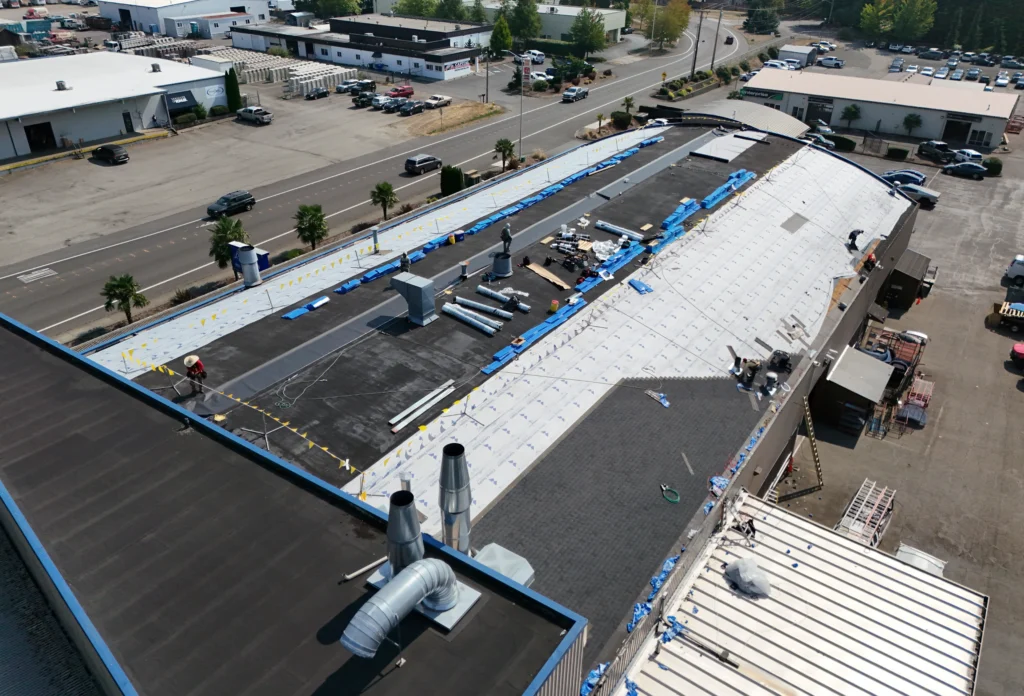
Exploring commercial roof replacement options this winter allows you to address potential issues before storms arrive. Planning ahead can prevent leaks, structural damage, and costly emergency repairs. Knowing your options ensures your building remains protected, energy-efficient, and compliant with local codes throughout the season.
How to Evaluate Your Roof Before Replacement
Before selecting a replacement type, it is essential to assess the roof thoroughly. A roof may need replacement if you notice leaks, accumulated water, damaged flashing, or worn materials.
A professional inspection evaluates the roof’s overall integrity, identifying areas at risk and determining whether a full replacement or partial overlay is necessary. Early assessment allows for scheduling work around winter weather and ensures the most effective solution for your property.
Common Commercial Roof Replacement Options
Seattle properties can benefit from several roofing materials and systems designed to handle moisture, cold temperatures, and heavy rainfall.
Built-Up Roofing (BUR)
Built-up roofing is made of several asphalt layers reinforced with fabric and topped with a protective gravel or coating layer. BUR provides excellent durability and waterproofing. Its multi-layer construction makes it effective at preventing leaks even in heavy winter rain.
Modified Bitumen
Modified bitumen is an asphalt-based roofing system enhanced with polymers for added flexibility. It can be installed in sheets or rolls, often with heat or adhesives, and provides strong protection against water penetration. Modified bitumen adapts well to roof movement caused by temperature fluctuations, making it a reliable option for Seattle’s winter climate.
Single-Ply Membranes
Single-ply membranes, such as TPO, PVC, or EPDM, are lightweight and easy to install. These components are highly durable, resisting water, UV exposure, and extreme heat or cold. Reflective surfaces of these roofing materials help reduce heating and cooling expenses, boosting energy efficiency. Single-ply membranes are often preferred for flat or low-slope commercial roofs.
Metal Roofing
Metal roofing is highly durable, lightweight, and long-lasting. Panels shed rain and snow efficiently, reducing the risk of ice dams and leaks. Metal roofs are low-maintenance and can last decades when properly installed, making them a strong choice for property owners looking for long-term protection.
Planning for Winter Roof Replacement
Replacing a roof in the fall or early winter requires careful planning. Weather delays, material delivery schedules, and contractor availability must all be considered. Early preparation helps ensure that work can be completed safely and efficiently before snow or ice complicates the process.
During planning, property managers should consider temporary protections for vulnerable interior areas. Coordinating with a professional team ensures the replacement is executed correctly while minimizing disruption to occupants or business operations.
Benefits of Timely Replacement
Completing a commercial roof replacement before the snow arrives provides multiple advantages:
- Leak Prevention: Winter storms can exacerbate existing weaknesses. A new roof prevents water infiltration and structural damage.
- Energy Efficiency: Modern roofing systems offer improved insulation and reflective surfaces, reducing heating costs during cold months.
- Longevity: Replacing worn materials before winter ensures the roof lasts longer without requiring emergency repairs.
- Safety: Minimizing exposure to icy conditions protects workers and building occupants during installation.
Choosing the Right Professional
Selecting an experienced roofing contractor is critical for a successful commercial roof replacement. Skilled professionals thoroughly assess the roof’s current condition, identify hidden issues, and recommend materials best suited for Seattle’s wet and windy climate.
They follow strict standards and manufacturer instructions to ensure quality. Properly installed roofing protects your property from leaks, ice, and snow, while extending the life of your investment.
A reliable contractor also helps schedule the work efficiently, coordinates necessary permits, and provides guidance on maintenance. Choosing the right professional minimizes delays, reduces unexpected costs, and ensures your new roof performs at its best for years.
Related Articles:
- Modified Bitumen vs Single-Ply Systems for Bellevue Commercial Roofs
- Olympia Commercial Roofs: How to Prepare for Incoming Storms
Your Trusted Partner in Commercial Roof Replacement
If you are exploring commercial roof replacement options for your Seattle property this winter, professional expertise is essential. Fields Roof Service provides thorough inspections, material recommendations, and skilled installation designed for Seattle’s wet and cold climate. Their team completes roofing projects efficiently and to exacting standards, ensuring your building stays protected through the season.
Protect your property before winter stressors cause damage. Reach out today to schedule a consultation and secure reliable commercial roof replacement for your Seattle property.