Winter weather can reveal roofing problems that stay hidden during drier months. In Bellevue, steady rain, cool temperatures, and occasional frost put added pressure on roofs. A professional roof inspection service helps identify issues early, before they turn into leaks, structural damage, or costly repairs.
Understanding what gets checked during a winter inspection helps property owners know why these evaluations matter and what problems they can prevent.
Why Winter Roof Inspections Matter in Bellevue
Roofs in Bellevue face months of moisture exposure during winter. Even well-built roofing systems can develop weak points when water, debris, and temperature changes combine. Small gaps, loose materials, or clogged drainage areas may not be obvious from the ground. A winter-focused roof inspection service looks closely at these trouble spots while conditions are most likely to reveal them.
Early inspections help reduce surprise repairs and protect the roof system during the most demanding season of the year.
Exterior Roof Surface Checks
Shingles and Roofing Materials
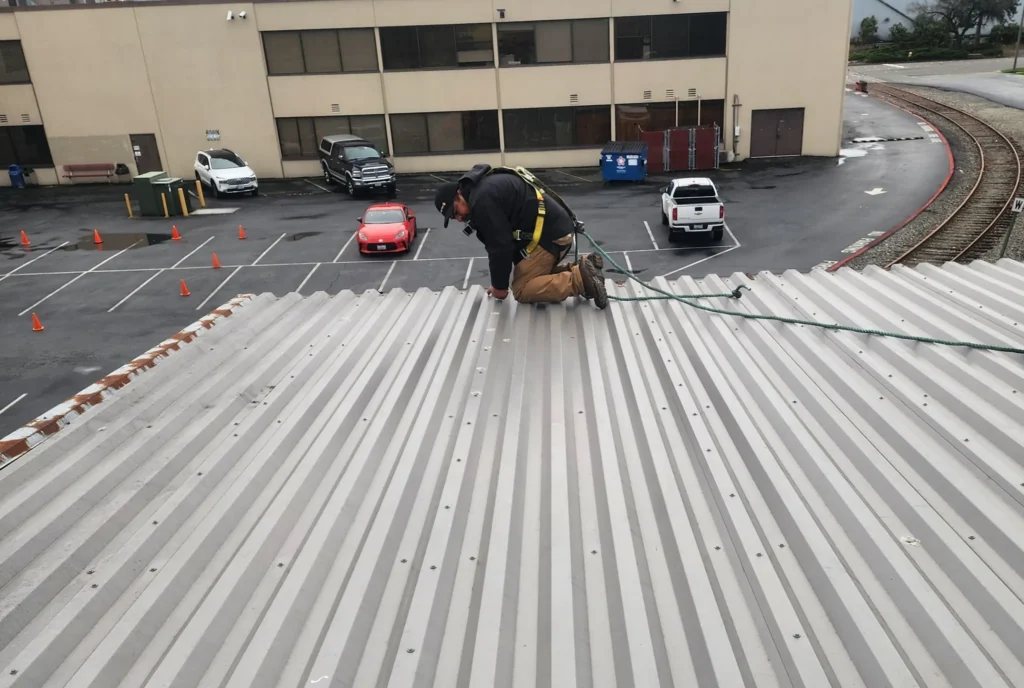
Inspectors begin by examining the main roof surface. On shingle roofs, they look for cracked, loose, missing, or lifting shingles. Winter moisture can seep under damaged shingles and reach the roof deck. On flat or low-slope commercial roofs, inspectors check membranes for splits, bubbles, or surface wear caused by trapped moisture.
Flashing and Seals
Flashing shields areas where the roof meets chimneys, vents, skylights, and walls, which are often common sources of leaks once rain becomes persistent. During winter inspections, flashing is carefully checked for gaps, rust, lifted edges, or broken sealant. A thorough roof inspection service focuses heavily on flashing because small failures here often lead to interior water damage.
Drainage and Water Flow Evaluation
Gutters and Downspouts
Proper drainage is critical during Bellevue winters, so inspectors check gutters, downspouts, and internal drains and scuppers for leaves, moss, and debris that block water flow. Overflowing or clogged systems push water under roofing materials, against siding and trim, or cause ponding on flat roofs.
Roof Slope and Ponding Areas
Flat and low-slope roofs are examined for areas where water tends to collect. Standing water increases wear on membranes and seams. A winter roof inspection service documents these areas and checks for early signs of surface breakdown.
Structural and Support Components
Roof Deck Condition
Inspectors look for soft spots, sagging areas, or uneven surfaces that may signal moisture damage beneath the roofing material. These problems often develop slowly and become more noticeable during wet months. Catching deck issues early helps limit the scope of repairs.
Fasteners and Edge Details
Temperature changes can loosen nails, screws, and edge metal over time, so inspectors verify they remain secure. Loose fasteners let wind-driven rain infiltrate the roof system.
Interior Inspection Points
Attic and Ceiling Areas
A complete roof inspection service includes interior checks. Inspectors look for water stains, damp insulation, mold growth, or musty odors in attics and ceiling spaces. These signs often reveal leaks that have not yet become visible from outside.
Ventilation Performance
Effective ventilation keeps moisture and temperature balanced within the roof system. During winter, inspections ensure that vents are clear and operating correctly. Inadequate ventilation can trap moisture, reduce the roof’s lifespan, and worsen moisture damage.
Differences Between Residential and Commercial Inspections
Residential roof inspections often focus on shingles, flashing, gutters, and attic conditions. Commercial inspections may include membrane seams, rooftop equipment, drainage systems, and larger surface areas. While the materials differ, the goal remains the same: to identify risks early and maintain roof integrity during harsh weather.
A Bellevue roof inspection service adjusts its approach based on roof type, building use, and exposure to winter conditions.
Common Issues Found During Winter Inspections
Winter inspections frequently uncover problems such as minor leaks, clogged drainage, deteriorating sealants, and early membrane wear. These issues often remain unnoticed during dry seasons. Addressing them promptly helps avoid interior damage, business disruptions, or emergency repairs later in winter.
Preparing for Repairs After Inspection
After the inspection, property owners receive a clear overview of findings and recommended next steps. Some issues may require immediate repair, while others can be monitored or scheduled for later maintenance. Knowing the roof’s condition allows for better planning and fewer surprises.
Related Articles:
- Common Signs Your Olympia Home Needs a Roof Inspection
- How Kent Roof Inspections Reveal Hidden Weak Points
Schedule a Winter Roof Inspection With Confidence
Regular winter inspections support roof longevity and building safety. They also help owners plan maintenance budgets and avoid sudden disruptions during peak weather months.
If you need a dependable roof inspection service in Bellevue, Fields Roof Service offers experienced inspections for both residential and commercial properties. Our team understands local winter conditions and provides clear guidance based on decades of roofing knowledge.
Schedule an inspection today to protect your roof through the rest of the season and beyond.